Case study · Networking Bingo
A hostless game for meeting people in person
The Go Game's live events needed a host to move everyone through one game. I led Networking Bingo, a self-paced game where people team up in person, which let TGG Play run independent flows side by side and opened a hostless line of in-person events.
- Client
- The Go Game
- Role
- Lead & architect
- Timeline
- 2024–2025
- Platform
- iOS, Android, web
0hosts needed on site
5players per team-up by default
3board progression modes
How it plays
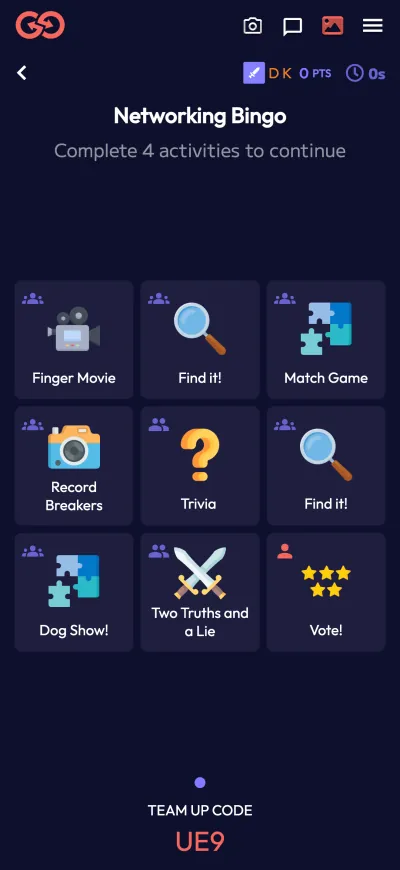
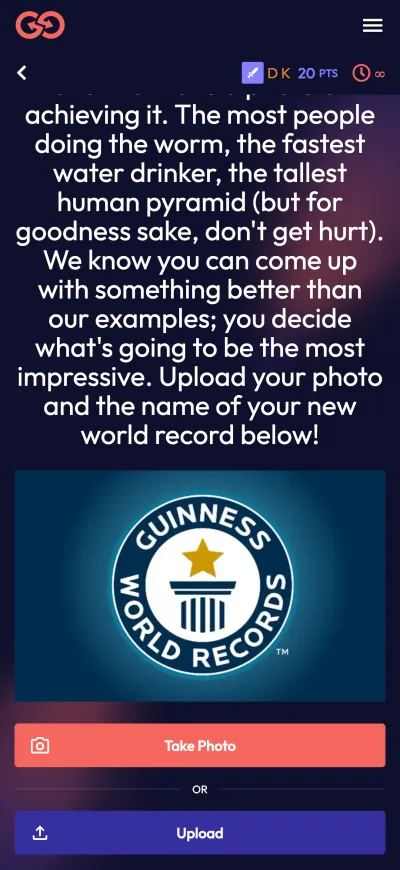
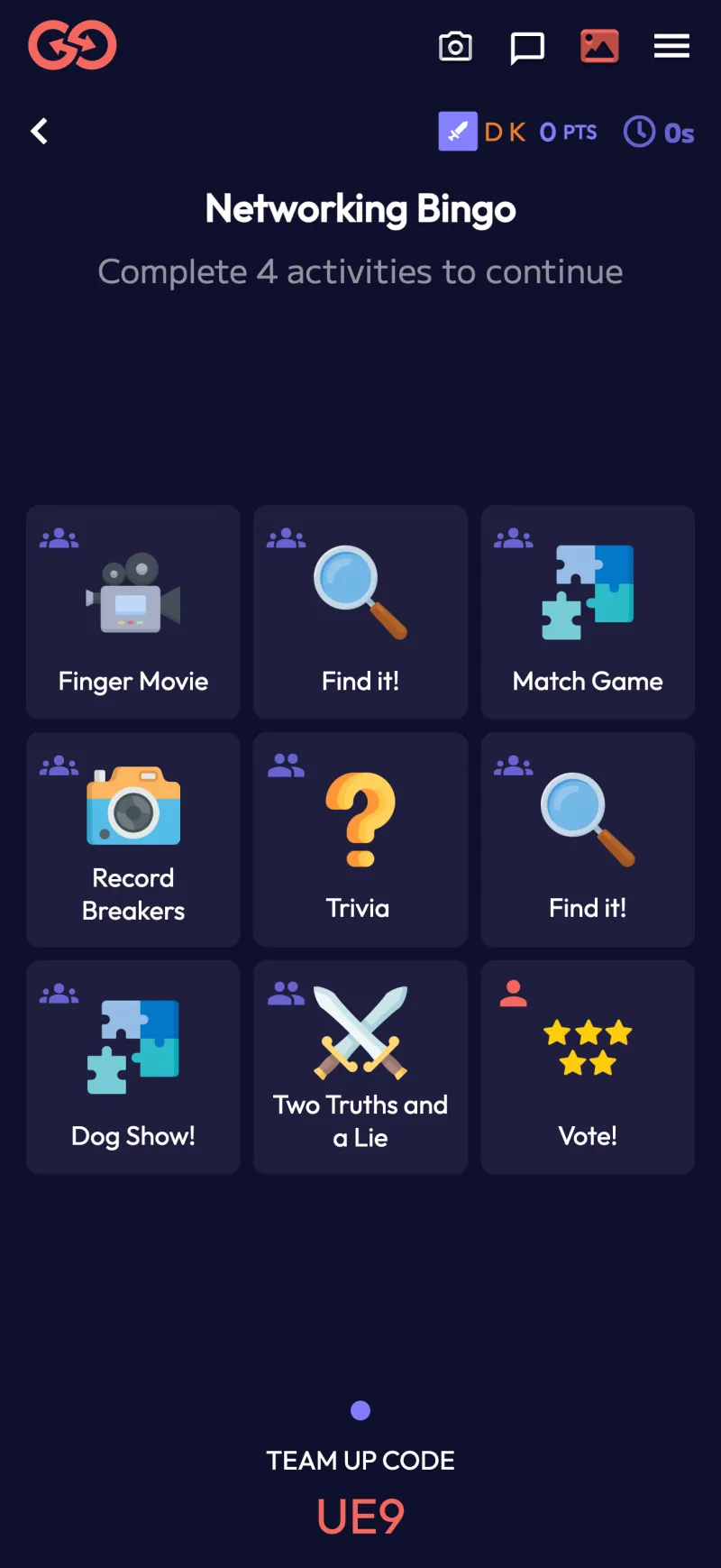
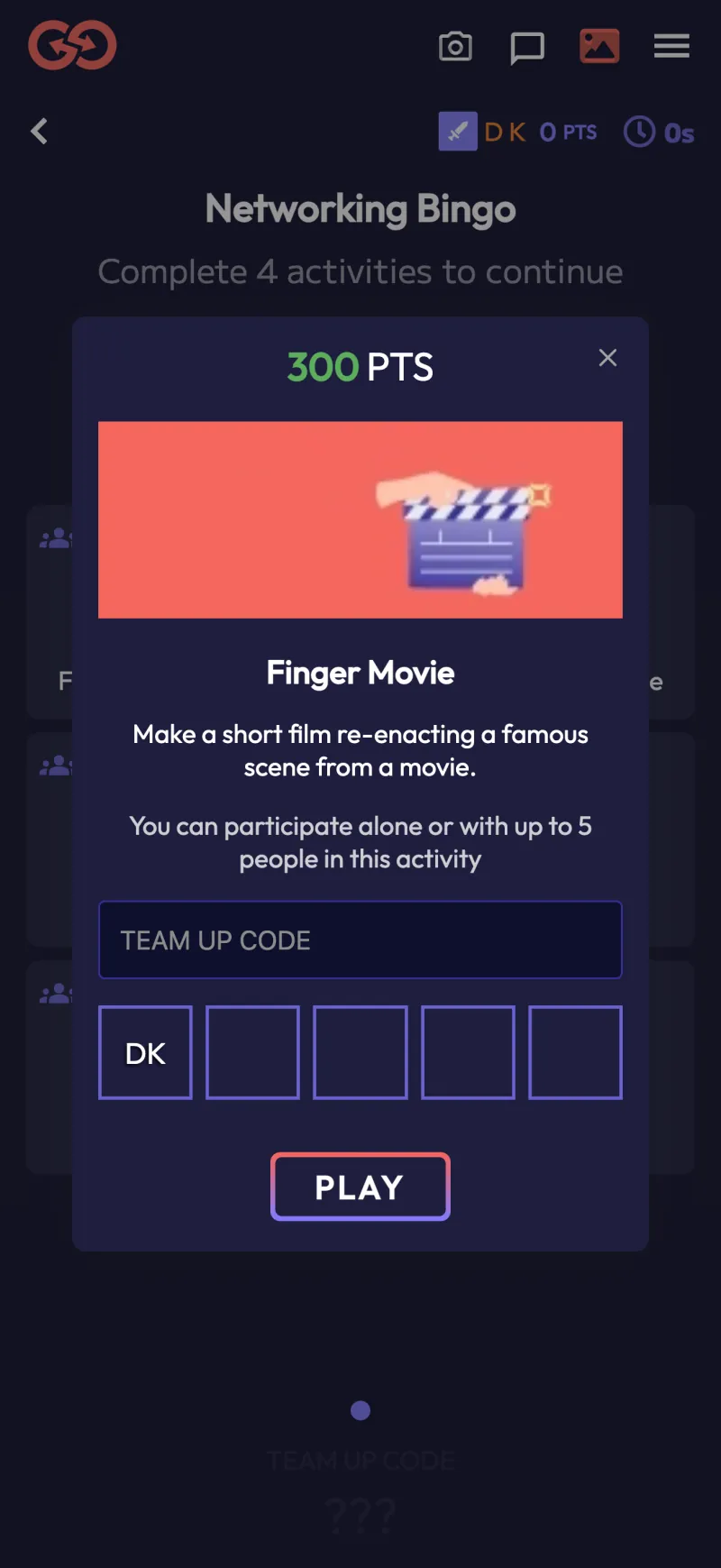
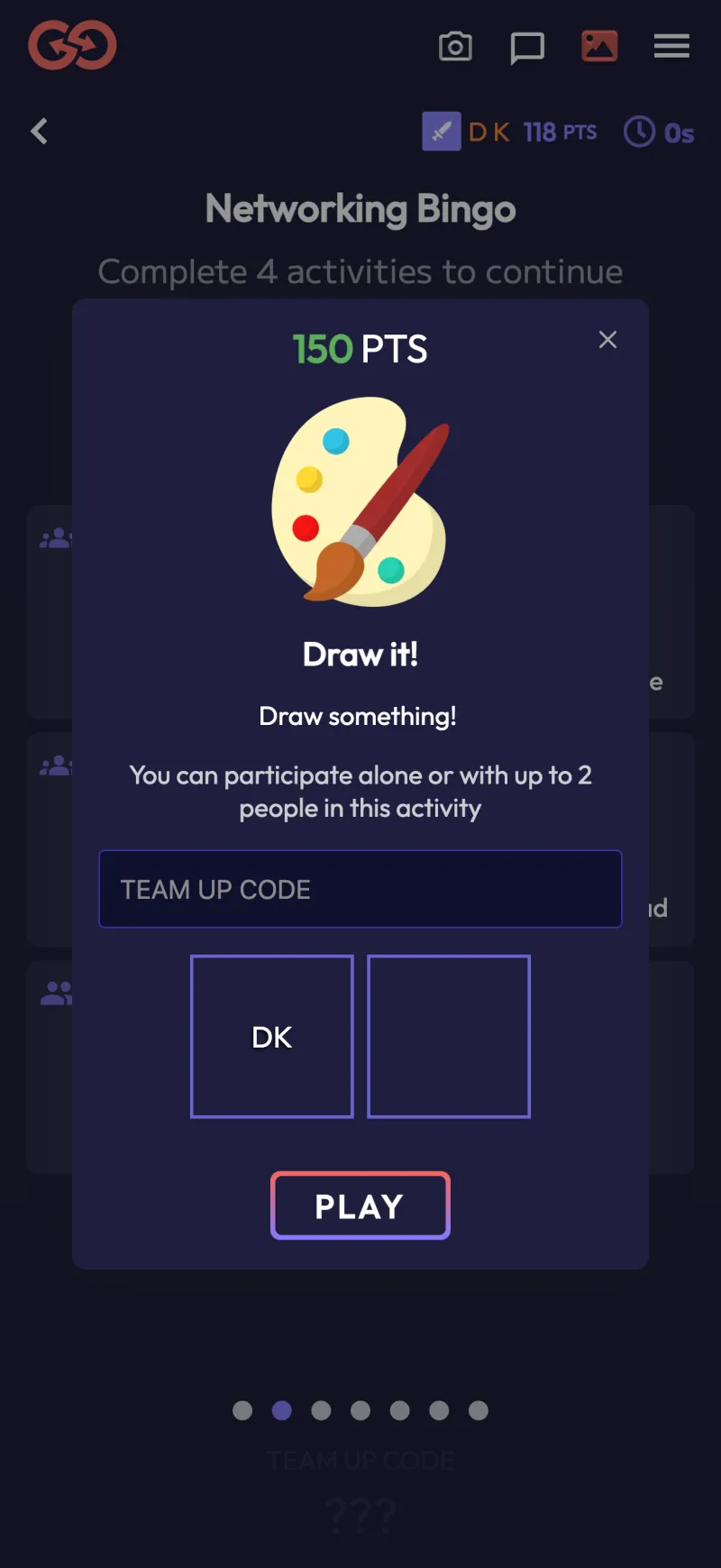
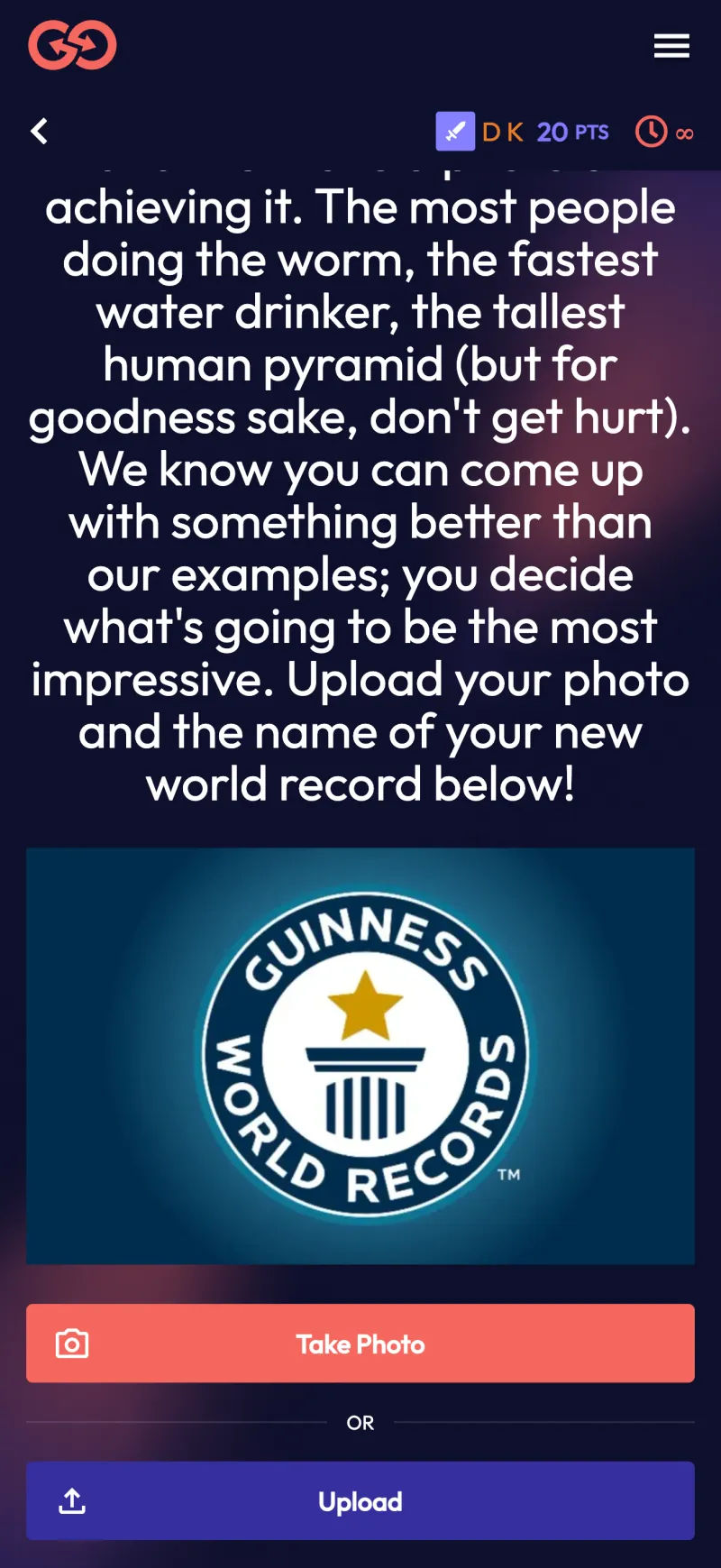
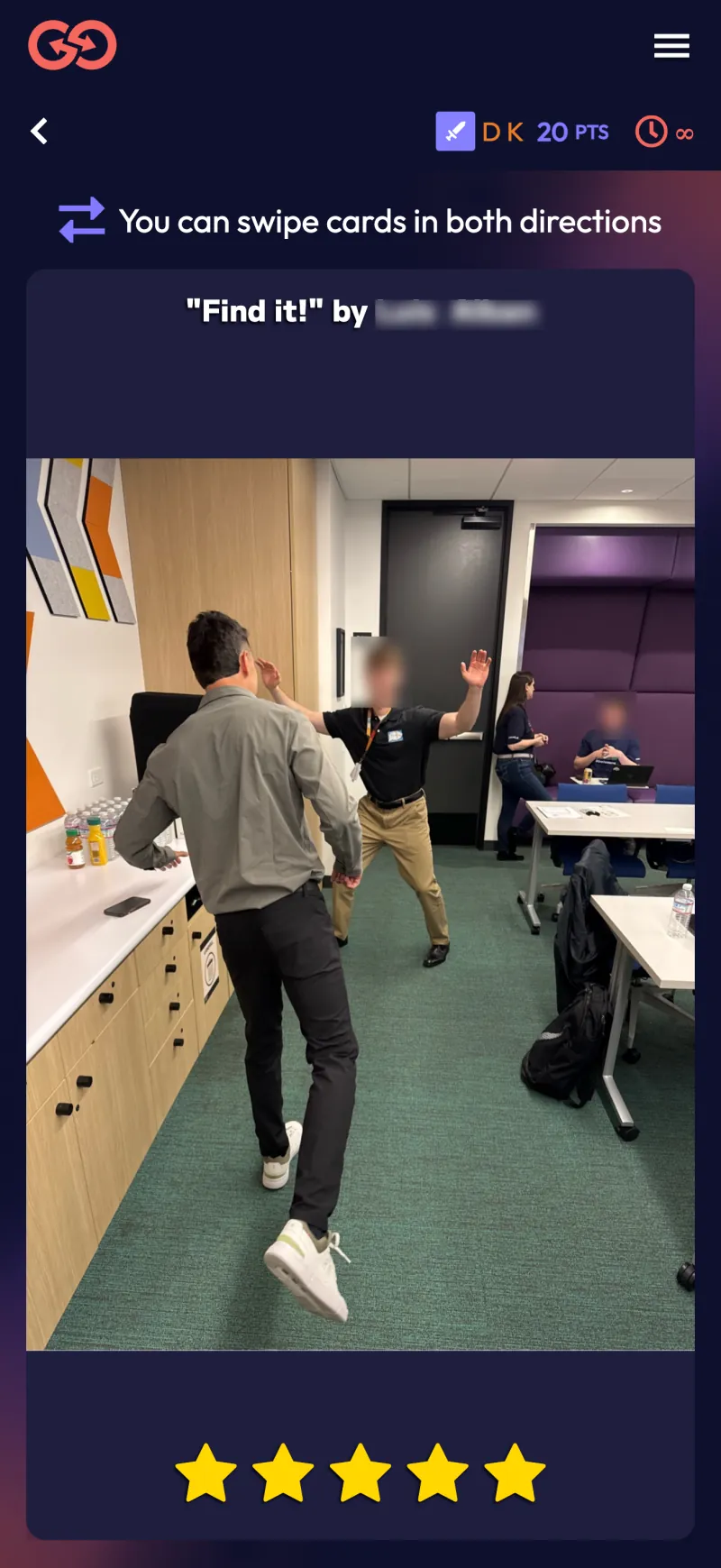
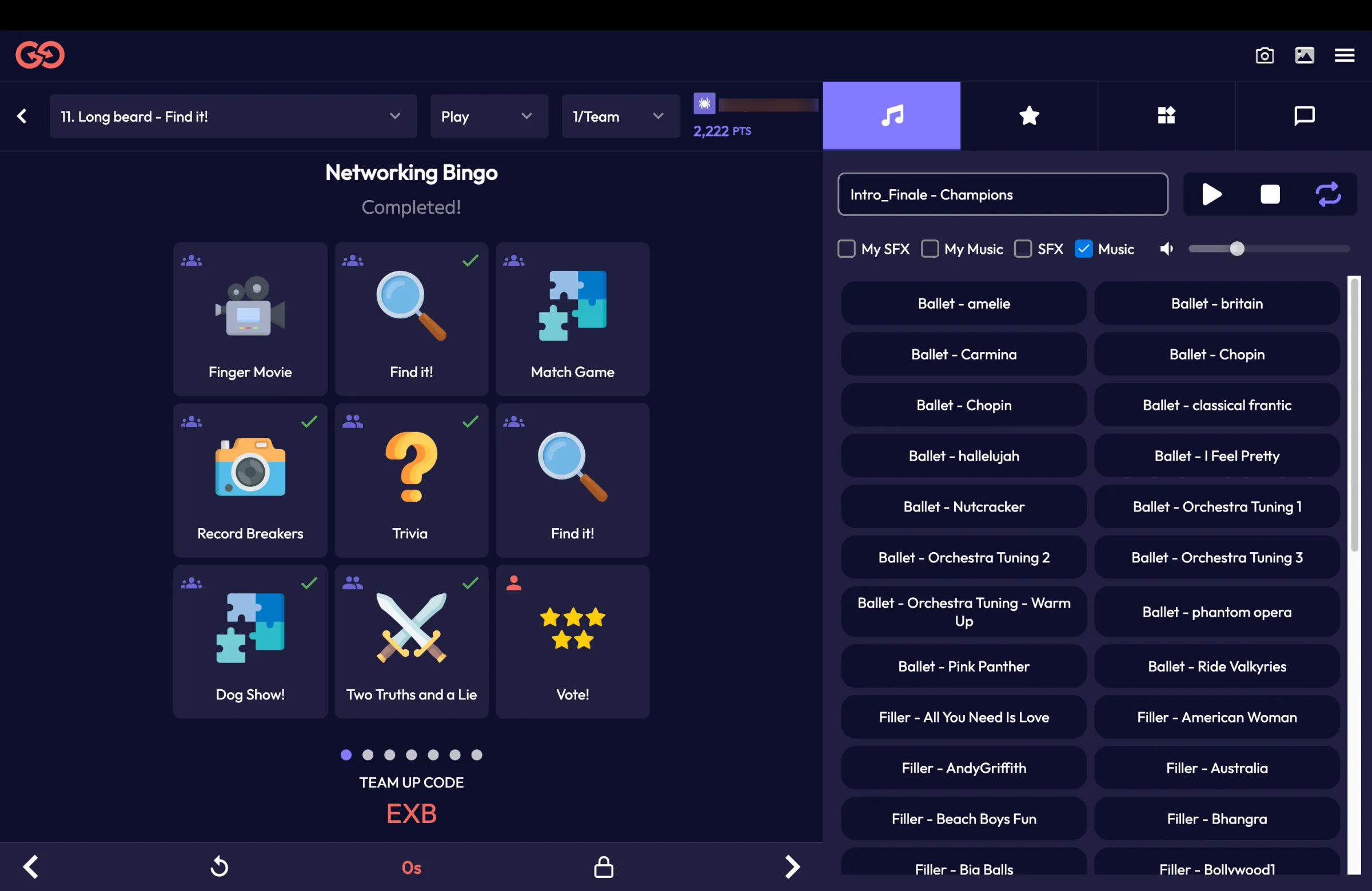
Each player gets a board of activities: photo and video challenges, trivia, matching games, Two Truths and a Lie, drawing and voting. Most squares are played with other people in the room, so to fill your board you have to go and meet them. Finish enough squares and the next board unlocks.
A standalone experience
Networking Bingo was part of the TGG Play project, but it isn't another round in a hosted game. Every player moves through their own boards at their own pace, so TGG Play could run several independent flows in the same event instead of one shared timeline. Because nobody has to drive it, it also gave The Go Game a new line of in-person events that run without a host.
Teaming up in person
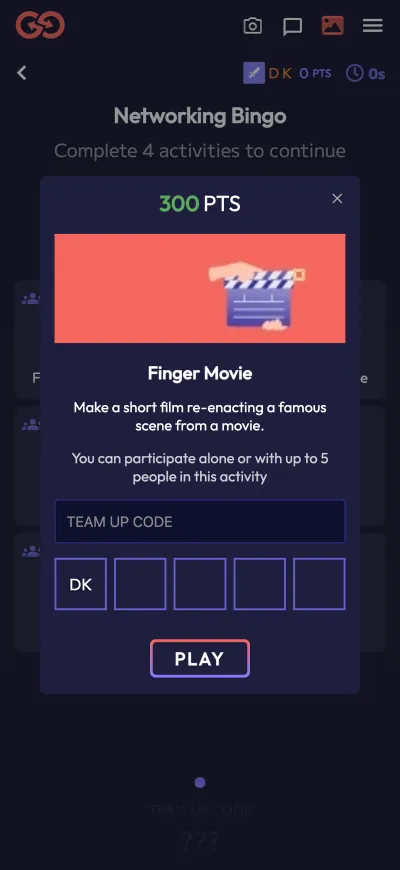
- Three-character codes. Every player shows a team-up code. To play together, you enter the codes of the people next to you. Each activity sets its limit, up to 5 by default, and can also be played alone.
- Checked on the game server. A code must belong to someone else who isn't already in a group and hasn't played that activity. The server writes the group to every member at once and gives the person who joined a fresh code, so a code seen earlier can't be reused.
- Shared screens. When one member of a group starts the activity, everyone in the group is taken to it.
Boards and progression
- Set up in the Content Tool. Any block in the Content Tool becomes a bingo board with one switch and a number of activities to complete.
- Three progression modes: linear; random, with a per-player seeded shuffle so each player's order stays stable; and manual, where a host reveals boards as the event goes.
- The same activity types. The game server's activity strategies got a self-paced path, so the activities from hosted games work in Networking Bingo too.
Outcome
An in-person format The Go Game could run without sending a host, built on the same app, content and servers as its hosted games.
Screens
Networking Bingo in use
 Ask my AI